
"coffee growing cycle"
700 article(s) found

Ethiopian Yega Sheffivoka Coffee Flavor description introduction to the taste of fine coffee beans in the producing area
Located in the most advantaged natural conditions, Ethiopia produces unique high-quality coffee every year. Ethiopia's coffee growing cycle brings the joy of harvest to the country every year. Beautiful white coffee flowers will bloom and bear fruit every year from March to April. Only the reddest and ripe fruits will be selected between September and December.

Why do coffee beans have to grow beans all their lives?
Food has its shelf life, coffee beans generally have a shelf life of one year, but for those who pursue high-quality coffee, just quality is obviously not enough, so how long is the life cycle of coffee bean flavor? Is the coffee bean as fresh as possible? Friends who like red wine all know that good red wine needs to be opened an hour in advance to oxidize it, which will be more advantageous.
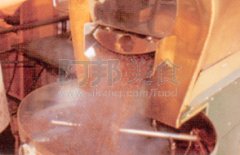
Why do coffee beans have to grow beans in their whole life?
Food has its shelf life, coffee beans generally have a shelf life of one year, but for those who pursue high-quality coffee, just quality is obviously not enough, so how long is the life cycle of coffee bean flavor? Is the coffee bean as fresh as possible? Source of freshly baked coffee: Wang Zhendong [Click to enlarge] friends who like red wine all know that good red wine needs to be drunk 1 in advance.

Exquisite Ethiopian coffee beans Starbucks Ethiopian coffee
Ethiopia has unique natural conditions suitable for growing all imaginable varieties of coffee. As a upland crop, Ethiopian coffee beans are mainly grown in areas between 1100 and 2300 meters above sea level, roughly distributed in southern Ethiopia. Deep soil, well drained soil, weakly acidic soil, laterite and soil are soft and contain
Why do coffee beans have to grow beans all their lives?
Food has its shelf life, coffee beans generally have a shelf life of one year, but for those who pursue high-quality coffee, just quality is obviously not enough, so how long is the life cycle of coffee bean flavor? Is the coffee bean as fresh as possible? Friends who like red wine all know that good red wine needs to be opened an hour in advance to oxidize it, which will be more advantageous.

Introduction to the flavor and taste of Ethiopian coffee beans grade classification of Ethiopian Sidamo coffee beans
Ethiopia has unique natural conditions suitable for growing all imaginable varieties of coffee. As a upland crop, Ethiopian coffee beans are mainly grown in areas between 1100 and 2300 meters above sea level, roughly distributed in southern Ethiopia. Deep soil, row

Ethiopian coffee flavor Ethiopian coffee characteristics Ethiopian coffee taste
Ethiopia has unique natural conditions suitable for growing all imaginable varieties of coffee. As a upland crop, Ethiopian coffee beans are mainly grown in areas between 1100 and 2300 meters above sea level, roughly distributed in southern Ethiopia. Deep soil, well drained soil, weakly acidic soil, laterite and soil are soft and contain
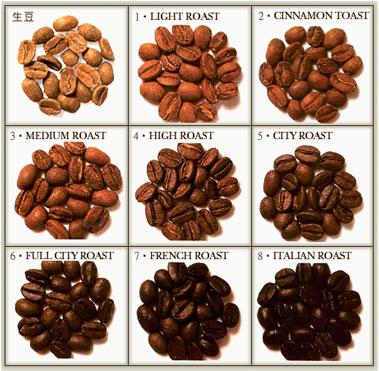
Natural fermented Ethiopian coffee flavor, characteristics, taste and estate
Ethiopia is blessed with natural conditions for growing all conceivable varieties of coffee. Ethiopia's coffee beans are mainly grown as highland crops in areas with altitudes of 1100-2300 meters above sea level, roughly distributed in southern Ethiopia. Deep soil, well-drained soil, weakly acidic soil, laterite and soft soil containing

"acidity", "quality" and "flavor" of Ethiopia's Bancimagi Coffee Manor
Ethiopia is the birthplace of the famous Arabica coffee beans, and people have always maintained the tradition of harvesting wild coffee beans. The coffee garden at an altitude of more than 1500 meters has formed a unique coffee style after thousands of years of evolution and adaptation. Ethiopian coffee grown in the natural wild environment is called wilderness coffee, which retains the most primitive and natural taste of coffee beans.
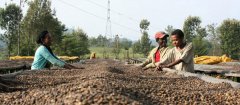
Flavor, characteristics, taste and manor introduction of naturally fermented Ethiopian coffee
Ethiopia has unique natural conditions suitable for growing all imaginable varieties of coffee. As a upland crop, Ethiopian coffee beans are mainly grown in areas between 1100 and 2300 meters above sea level, roughly distributed in southern Ethiopia. Deep soil, well drained soil, weakly acidic soil, laterite and soil are soft and contain
Summary of troubleshooting of Xike Saeco automatic coffee machine
Coffee machine, like other machines, has a certain life cycle, and there will be a variety of failures in the process of use, just like people, when a person grows up, there will be some minor diseases such as colds and so on.

Introduction of Columbia Linglong Coffee Flavor description, Taste, quality, Grinding scale
Columbia Linglong Coffee Flavor description Taste quality characteristics Grinding scale introduction on a steep slope about 1300 meters above sea level, where the annual temperature is about 18 degrees Celsius, annual rainfall is 2000 to 3000 millimeters, latitude 1-11 15 north, longitude 72-78 west, the specific range of elevation is more than 2.000 meters. By a special combination of various factors, the coffee growing area of Colombia
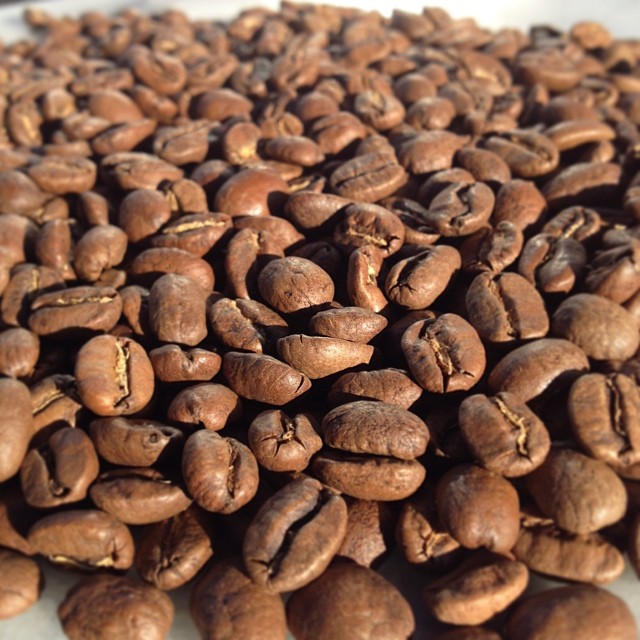
Natural fermentation and Solar Ethiopian Coffee Flavor, characteristics, texture and Manor introduction
Ethiopia has unique natural conditions suitable for growing all imaginable varieties of coffee. As a upland crop, Ethiopian coffee beans are mainly grown in areas between 1100 and 2300 meters above sea level, roughly distributed in southern Ethiopia. Deep soil, well drained soil, weakly acidic soil, laterite and soil are soft and contain

Natural fermented and mellow Ethiopian coffee flavor, characteristics, taste and manor introduction
Ethiopia has unique natural conditions suitable for growing all imaginable varieties of coffee. As a upland crop, Ethiopian coffee beans are mainly grown in areas between 1100 and 2300 meters above sea level, roughly distributed in southern Ethiopia. Deep soil, well drained soil, weakly acidic soil, laterite and soil are soft and contain
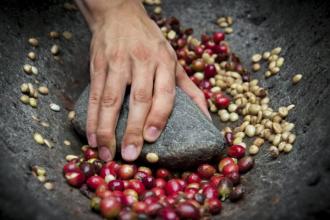
With unique natural conditions, Ethiopian coffee flavor, characteristics, taste and manor introduction
Ethiopia has unique natural conditions suitable for growing all imaginable varieties of coffee. As a upland crop, Ethiopian coffee beans are mainly grown in areas between 1100 and 2300 meters above sea level, roughly distributed in southern Ethiopia. Deep soil, well drained soil, weakly acidic soil, laterite and soil are soft and contain

High quality types of Ethiopian Coffee Flavor description, Grinding treatment, Taste characteristics, Manor introduction
Ethiopia is recognized as the birthplace of coffee and the birthplace of all kinds of coffee we taste today. it plays an important role in the history of coffee development. With respect and admiration for the birthplace of coffee and the long-standing inheritance of coffee culture, Starbucks solemnly launched Ethiopian coffee with a unique taste in stores across the country from January 6 to 12.

African Coffee Manor Ethiopia Gemma Coffee Raw Bean DjimmaG4 Sun Mocha Flavor
CONTENT [product name] Gemma Djimma [place] Ethiopia (Ethiopia) [place] sun [baking] recommended baking degree: deep baking [cup review] slightly sour, full and complex palate, special fruity aroma (similar to earthy or herbaceous) Gemma is close to Harald's complex wildness in style, slightly bitter on the palate, low acidity, warm and full-bodied taste.

Variety characteristics of fermented Natural Solar Ethiopian Coffee introduction to Fine Coffee Bean in Manor
Ethiopia has unique natural conditions suitable for growing all imaginable varieties of coffee. As a upland crop, Ethiopian coffee beans are mainly grown in areas between 1100 and 2300 meters above sea level, roughly distributed in southern Ethiopia. Deep soil, well drained soil, weakly acidic soil, laterite and soil are soft and contain
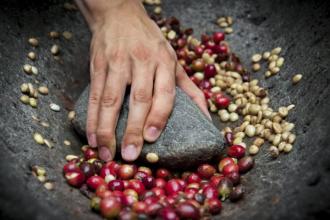
Taste characteristics of Solar fermented Natural Ethiopian Coffee introduction to Fine Coffee Bean in Manor
Ethiopia has unique natural conditions suitable for growing all imaginable varieties of coffee. As a upland crop, Ethiopian coffee beans are mainly grown in areas between 1100 and 2300 meters above sea level, roughly distributed in southern Ethiopia. Deep soil, well drained soil, weakly acidic soil, laterite and soil are soft and contain
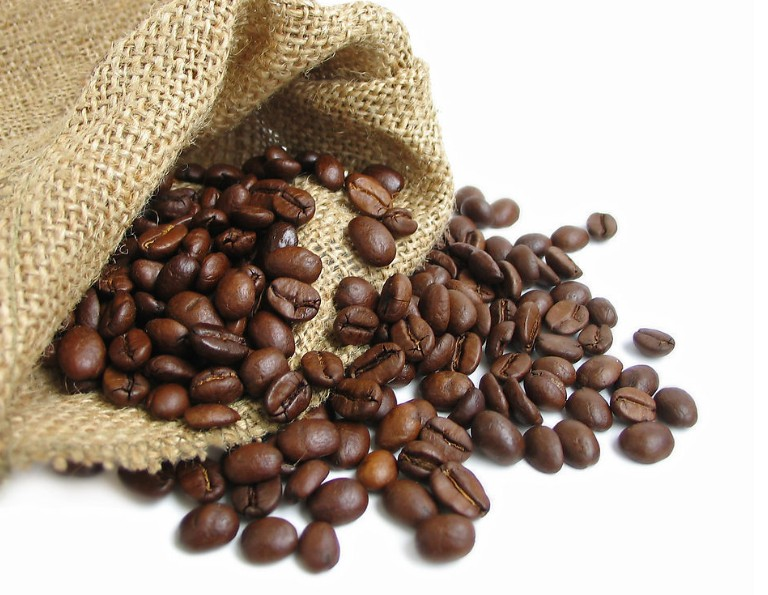
Natural fermentation, mellow and sun-dried Ethiopian coffee flavor, characteristics, taste and manor introduction
Ethiopia has unique natural conditions suitable for growing all imaginable varieties of coffee. As a upland crop, Ethiopian coffee beans are mainly grown in areas between 1100 and 2300 meters above sea level, roughly distributed in southern Ethiopia. Deep soil, well drained soil, weakly acidic soil, laterite and soil are soft and contain